One of the most common questions we're asked at NZ Pools is, "How much work is involved in looking after a swimming pool?"
It's a great question! After all, the whole idea of having a pool is to enjoy it, not spend your weekends cleaning it.
The good news is that modern fibreglass swimming pools, combined with today's clever pool equipment, are surprisingly easy to look after, which makes them a great choice if you want a low maintenance pool.
In fact, with the right setup, many pool owners spend around 15–30 minutes a week on routine maintenance, leaving plenty more time to relax and enjoy their pool.
At NZ Pools, we're big believers in making pool ownership as simple and enjoyable as possible. That's why we take the time to talk our clients through the different equipment options and help them choose a system that suits their lifestyle, budget and how hands-on they want to be.
So, what does looking after a modern fibreglass pool actually involve?
For most owners with an automated pool setup and a robotic cleaner, regular maintenance is pretty straightforward.
Your weekly routine might include:
How much time you spend will depend on your surroundings, the season and how much the pool is being used.
A pool surrounded by large trees may need a little more attention than one in an open, sheltered garden.
However, for many owners with the right equipment, 15–30 minutes a week is a realistic guide for routine hands-on maintenance.
And the best part? Most of the work is happening automatically in the background.
One of the advantages of choosing a fibreglass swimming pool is its smooth, non-porous gelcoat surface.
Unlike some traditional concrete pool finishes, fibreglass doesn't have the same rough, porous texture where algae and dirt can more easily take hold.
This makes the surface easier to keep clean and generally reduces the amount of brushing required.
Fibreglass pools also don't need the regular resurfacing associated with some concrete pool finishes, which can be a significant long-term maintenance consideration.
The combination of a smooth surface, modern filtration and automated water management makes fibreglass an excellent choice for anyone wanting a beautiful pool without a lot of ongoing work.
We've explored this further in our articles on fibreglass versus concrete swimming pools and how fibreglass pools help avoid expensive repairs.
This is where modern swimming pools have really changed.
At NZ Pools, we offer a range of equipment upgrades designed to make pool ownership easier, more efficient and more enjoyable.
Almost all our clients choose some form of equipment upgrade, because the benefits are well worth considering.
Rather than purchasing a completely separate equipment package, clients generally pay the difference between our standard equipment and the upgraded option.
Here are some of the upgrades that make the biggest difference.
One of our most popular options is an automated water management system.
Instead of relying entirely on manual testing and chemical adjustments, an automated system monitors important aspects of your pool water, including chlorine and pH, and makes adjustments as required.
This helps maintain consistent water quality and reduces the amount of day-to-day attention needed from the owner.
It's particularly appealing for busy families, people who travel regularly or anyone who simply wants to spend more time swimming and less time managing their pool.
Automated systems still require occasional checking, calibration and maintenance, but they take much of the routine work out of looking after your water.
We also offer a mineral option for clients who prefer a natural and therapeutic swimming experience.
You can read more about MagnaPool mineral systems.
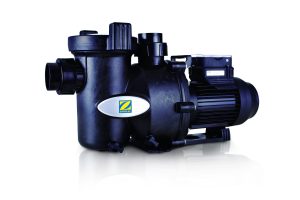
A pool pump is one of the most important pieces of equipment in your swimming pool, as it keeps water circulating through the filtration and sanitising systems.
Modern variable-speed pumps are a fantastic improvement over traditional single-speed pumps.
Rather than operating at one fixed speed, they can be programmed to run at lower, more energy-efficient speeds for everyday filtration, increasing speed when needed.
Because they use significantly less electricity at lower speeds, they can often operate for longer periods while still being economical to run.
At NZ Pools, we're big fans of variable-speed pumps and recommend them to clients wanting an efficient, easy-to-manage pool.
One of the questions we're often asked is whether a pool pump needs to run for as many hours during winter as it does in summer.
With an energy-efficient variable-speed pump, some owners simply leave their filtration schedule unchanged throughout the year because the running costs are relatively low.
Others prefer to reduce the operating hours during winter when their pool is receiving less use and sanitiser demand is generally lower.
Our equipment supplier has suggested that reducing winter running hours could save around $30 per month in some situations, although actual savings depend on the pump settings, electricity rates and individual pool.
The important thing is to maintain sufficient circulation and filtration to keep the water healthy.
We'll help you understand the settings that suit your pool and equipment.
For more information, see our article on variable-speed versus single-speed pool pumps.
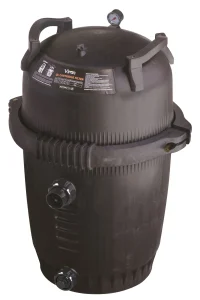
Another popular equipment upgrade is a cartridge filter.
Unlike traditional sand filters, cartridge filters don't require backwashing.
Instead, the cartridge elements are removed and rinsed periodically to clear away collected dirt and debris.
This makes them easy to maintain and avoids the water normally used during backwashing.
How frequently the cartridges need cleaning will depend on the pool's environment, usage and the amount of debris entering the water.
We offer cartridge filtration as an optional upgrade and can explain the benefits when discussing your pool equipment.
You can explore more of our equipment options on the NZ Pools products page.
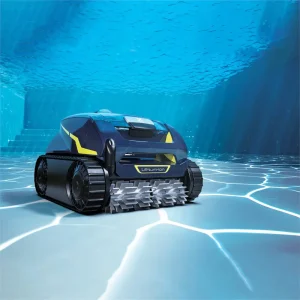
If there's one piece of equipment that makes a noticeable difference to everyday pool maintenance, it's a good-quality robotic pool cleaner.
Most of our clients choose to include one with their new pool, and it's easy to understand why.
Modern cordless robotic cleaners are designed to move around the pool independently, collecting dirt, grit and leaves while cleaning the pool floor and, depending on the model, the walls and waterline.
Instead of spending time manually vacuuming your pool, you simply place the cleaner in the water, let it complete its cleaning cycle, then remove it and empty the debris basket.
This is particularly useful in Wellington, Kāpiti and the Wairarapa, where windy weather can bring leaves, dust and other debris into swimming pools.
We recommend choosing a robotic cleaner suited to your pool's size, shape and surface.
Combined with regularly scooping leaves from the water's surface, a robotic cleaner makes keeping your pool looking beautiful much easier.
Not necessarily!
At NZ Pools, we generally recommend pool covers for their heating and evaporation benefits, rather than as a way to keep leaves and debris out.
While a cover may catch leaves on its surface, those leaves can become wet and break down. When the cover is removed, some of that debris can still end up in the pool.
For keeping leaves under control, we prefer a good robotic cleaner and regular surface skimming.
However, pool covers are extremely useful when it comes to maintaining water temperature and reducing heating costs.
A thermal cover is excellent at retaining heat, particularly overnight, while a triple-cell solar cover can help warm the water using the sun's energy.
Automatic slatted covers offer a premium, convenient option for owners who want to open and close their pool at the touch of a button.
When you're not heating your pool, our preference is generally to leave it uncovered so you can enjoy it as a beautiful water feature throughout the year.
Your swimming pool is one of the most attractive features of your outdoor living area so why hide it away?
Pool maintenance changes a little throughout the year, but it doesn't need to become complicated.
Summer is when your pool is likely to get the most use.
Keep an eye on the skimmer basket, run your robotic cleaner regularly and scoop out leaves after windy days.
It's also important to monitor water quality, particularly during periods of heavy swimming use or very warm weather.
If you have automated water management, much of the sanitising and pH adjustment happens in the background.
As temperatures begin to cool, your pool may need less sanitiser, although falling leaves can mean a little more skimming.
If you're still heating your pool, using a suitable cover can make a significant difference to heat retention.
One of the great things about a modern fibreglass pool is that it can remain looking beautiful throughout winter.
Your filtration and sanitising systems should continue operating at settings appropriate for the cooler conditions.
Some owners reduce their pump running hours over winter, while others leave their energy-efficient variable-speed pumps on the same schedule year-round.
Continue checking the pool periodically and remove leaves or debris as needed.
Important: A fibreglass pool should never be drained without professional advice. Groundwater pressure can damage or displace an empty pool shell.
Spring is a great time to make sure everything is ready for the swimming season ahead.
Give the pool a thorough clean, arrange a comprehensive water test and check that your equipment is operating correctly.
If you're planning to use a heat pump, this is also a good time to review your heating schedule.
A little preparation now means you'll be ready to enjoy the first warm days.
Pool running costs are another common consideration for people planning a swimming pool.
The main ongoing expenses generally include:
The actual cost will depend on your pool size, equipment, usage and how warm you like the water.
This is why choosing the right equipment from the beginning is so important.
An energy-efficient variable-speed pump can significantly reduce filtration electricity costs compared with an older single-speed pump.
Automated water management can help maintain consistent water quality, while a suitable pool cover can reduce heat loss and the amount of energy needed to maintain a heated pool.
Together, these choices can make a real difference to the ongoing cost and convenience of owning your pool.
At NZ Pools, we take the time to explain the different options so clients can make informed decisions about both the initial investment and long-term running costs.
Modern equipment makes pool maintenance easier, but we still recommend periodic professional servicing and water testing.
A pool service technician can check that your equipment is operating correctly, test and balance the water, and identify any issues before they become bigger problems.
Some pool owners prefer regular scheduled servicing, while others are happy to handle the basic maintenance themselves and arrange professional checks when needed.
Both approaches can work well.
NZ Pools specialises in the supply and installation of fibreglass swimming pools and associated equipment. For ongoing pool servicing and maintenance, we can recommend experienced pool service professionals.
We'll also make sure you understand how your pool equipment works at handover, so you feel confident looking after your new pool.
For many owners with automated equipment and a robotic cleaner, approximately 15–30 minutes a week is a reasonable guide for routine hands-on maintenance.
This varies depending on the season, nearby trees, weather and how much the pool is used.
Periodic water testing and equipment maintenance are also important.
Yes. The smooth, non-porous gelcoat surface of a fibreglass pool is easier to clean than many traditional concrete finishes and is less prone to algae attaching to the surface.
Fibreglass pools also avoid the periodic resurfacing required by some concrete pool finishes.
Not necessarily, but it's an upgrade we highly recommend considering.
Automated chlorine and pH management can significantly reduce the amount of routine attention needed to maintain balanced pool water.
It's particularly helpful for busy households or people who want a more hands-off approach.
Yes. Automated systems make water management easier, but they still require periodic testing, calibration and maintenance to ensure they're working correctly.
An automated system can make going away much easier, but we recommend arranging for someone to check the pool and equipment during extended absences.
This is particularly important during summer or when the pool is exposed to leaves and debris.
Not necessarily.
If you're not heating the pool, you may prefer to leave it uncovered and enjoy it as a beautiful water feature throughout the cooler months.
If you're heating the pool, a suitable cover can be extremely valuable for retaining warmth and reducing energy costs.
No. Your pool should remain filled with water and its circulation and sanitising systems maintained appropriately.
Never drain a fibreglass pool without professional advice.
A swimming pool should add enjoyment to your lifestyle, not another long list of weekend jobs.
And with today's fibreglass pools, automated equipment, energy-efficient pumps and robotic cleaners, looking after your pool is easier than many people imagine.
At NZ Pools, we believe the secret is getting the setup right from the beginning.
We'll take the time to understand how you plan to use your pool, how much maintenance you're comfortable doing and which equipment upgrades will make the biggest difference to your lifestyle.
Whether you're looking for a simple, practical setup or a fully automated pool with all the extras, we'll help you find the right balance between convenience, performance and budget.
More time swimming, relaxing and enjoying your beautiful pool. That's what it's all about!
If you're thinking about adding a low maintenance swimming pool to your home in Wellington, Kāpiti or the Wairarapa, we'd love to help.
Get in touch with NZ Pools, explore our Leisure Pools range or see what our customers have to say.